

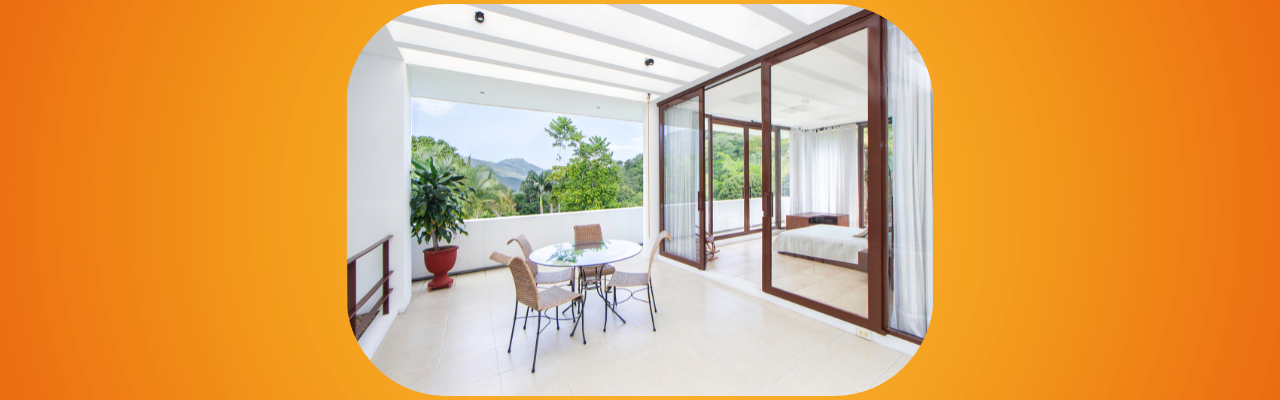
Balconies are a great extension of the home, but they act as magnets for outdoor elements. Within a single day, an open balcony can collect a thick layer of dust, dry leaves, pollution grime, and bird droppings. Leaving this debris to accumulate makes eventual cleaning a massive chore. Keeping this space functional and welcoming requires a proactive strategy that prevents dirt from settling permanently into the flooring and railings.
Why Balcony Dirt Accumulates So Quickly
Balconies face constant exposure to weather changes, wind currents, and urban pollution. In Indian cities, construction dust and vehicular exhaust settle on surfaces continuously. Birds, particularly pigeons, often seek shelter in balcony corners and leave behind droppings that are both unhygienic and highly corrosive to paint and tile grout. When rainwater mixes with this accumulated dust, it creates a stubborn mud crust that hardens under the sun, making standard sweeping ineffective.
Clearing Dry Debris First
Never apply water to a balcony floor before removing loose dirt. Doing so creates a muddy slurry that clogs drainage pipes and stains the baseboards. Use a broom that handles fine dust without scattering it into the air. The Gala No Dust Broom is effective here because its synthetic fibers do not shed particles and they capture fine dust efficiently. Sweep from the outer edges toward the center, collecting leaves and loose soil into a dustpan before moving to wet cleaning.
Scrubbing Away Tough Outdoor Grime
For areas affected by bird droppings or hardened mud, localized scrubbing is necessary. Apply a mixture of warm water and a heavy duty liquid detergent directly to the stains. Let it sit for five minutes to soften the residue. Use a stiff bristled brush like the Gala Iron Bull Scrub Pad to dislodge the grime. Avoid using wire scrubbers on tiled balcony floors because they can damage the glaze and leave rust marks over time.
Pay Extra Attention to Critical Areas
Give close consideration to the balcony drainage outlet, the tracks of sliding glass doors, and the undersides of railings. Debris frequently packs tightly into these zones, causing water blockage during heavy rains. Use a narrow crevice brush to clear out the sliding tracks so doors continue to move smoothly.
Finish with a Thorough Wash and Wipe
Once the floor is scrubbed, rinse the surface with clean water. To prevent water from pooling or running down the building facade, use a heavy duty floor wiper. The Gala Leader Plus Wiper lets you push water toward the drain outlet in long, controlled strokes. This ensures the floor dries rapidly without leaving water spots or creating a slippery hazard.
How Often Should You Do This
Perform a quick dry sweep every two days to manage daily dust buildup. Execute a wet wash and scrub once every two weeks, or immediately after a heavy rainstorm. Consistency prevents grime from baking onto the surfaces. Check out the complete Gala Cleaning Tools collection to find the right combination of brooms and wipers for outdoor maintenance.